
Pickleball Performance Assessment
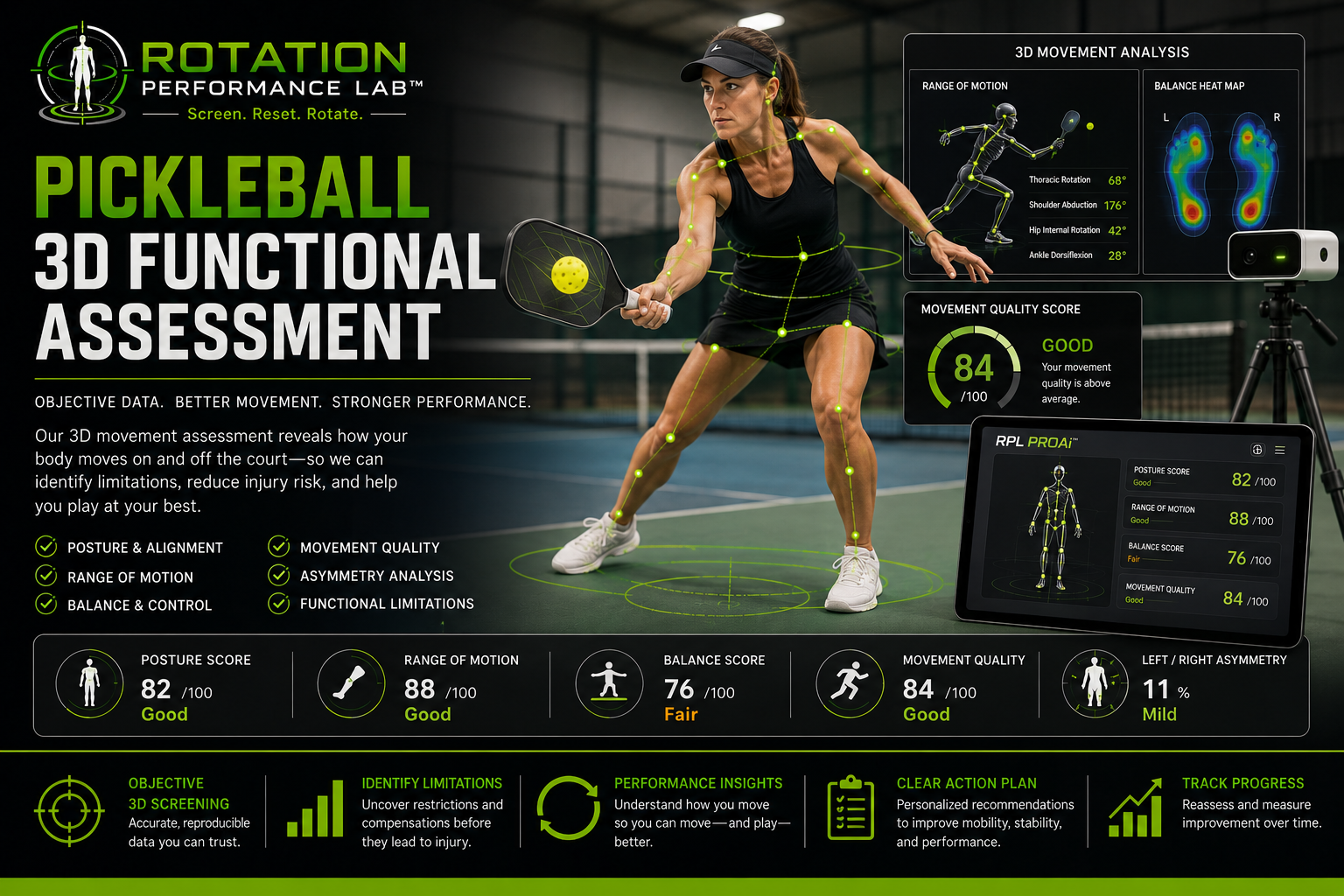
Powered by RPL PROAi™ at Rotation Performance Lab™
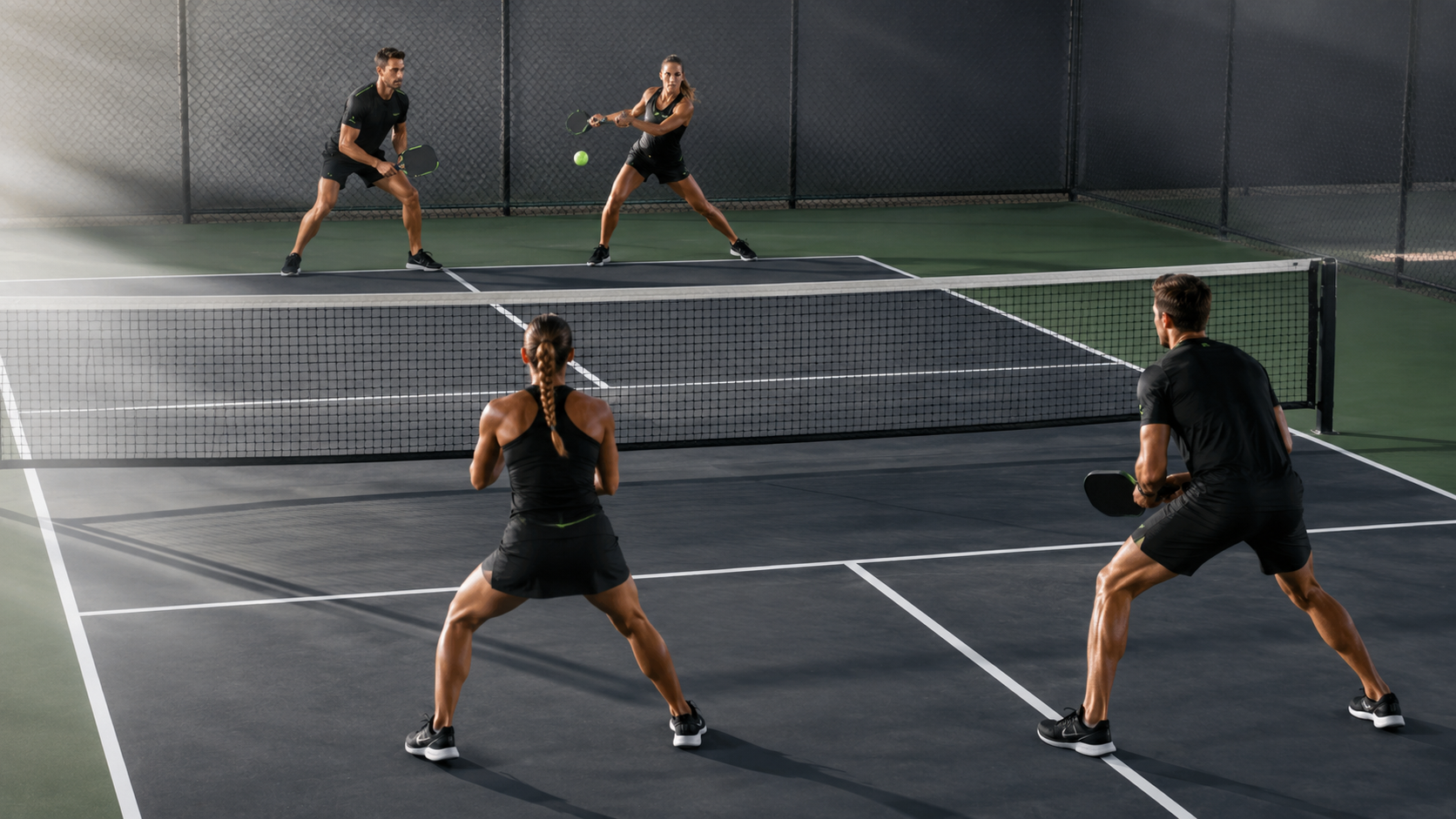
Pickleball is fast, rotational, reactive, and demanding on the entire body. Quick starts, sudden stops, lateral movement, reaching, lunging, rotating, and repeated paddle swings can place stress on the ankles, knees, hips, lower back, shoulders, elbows, and wrists.
At Rotation Performance Lab™, we use RPL PROAi™ Objective 3D Biomechanical Functional Assessment to help pickleball players better understand how their body moves, compensates, loads, rotates, balances, and transfers power during sport-specific movement.
This is not guesswork.
This is movement made measurable.
Why Pickleball Players Need a Biomechanical Assessment
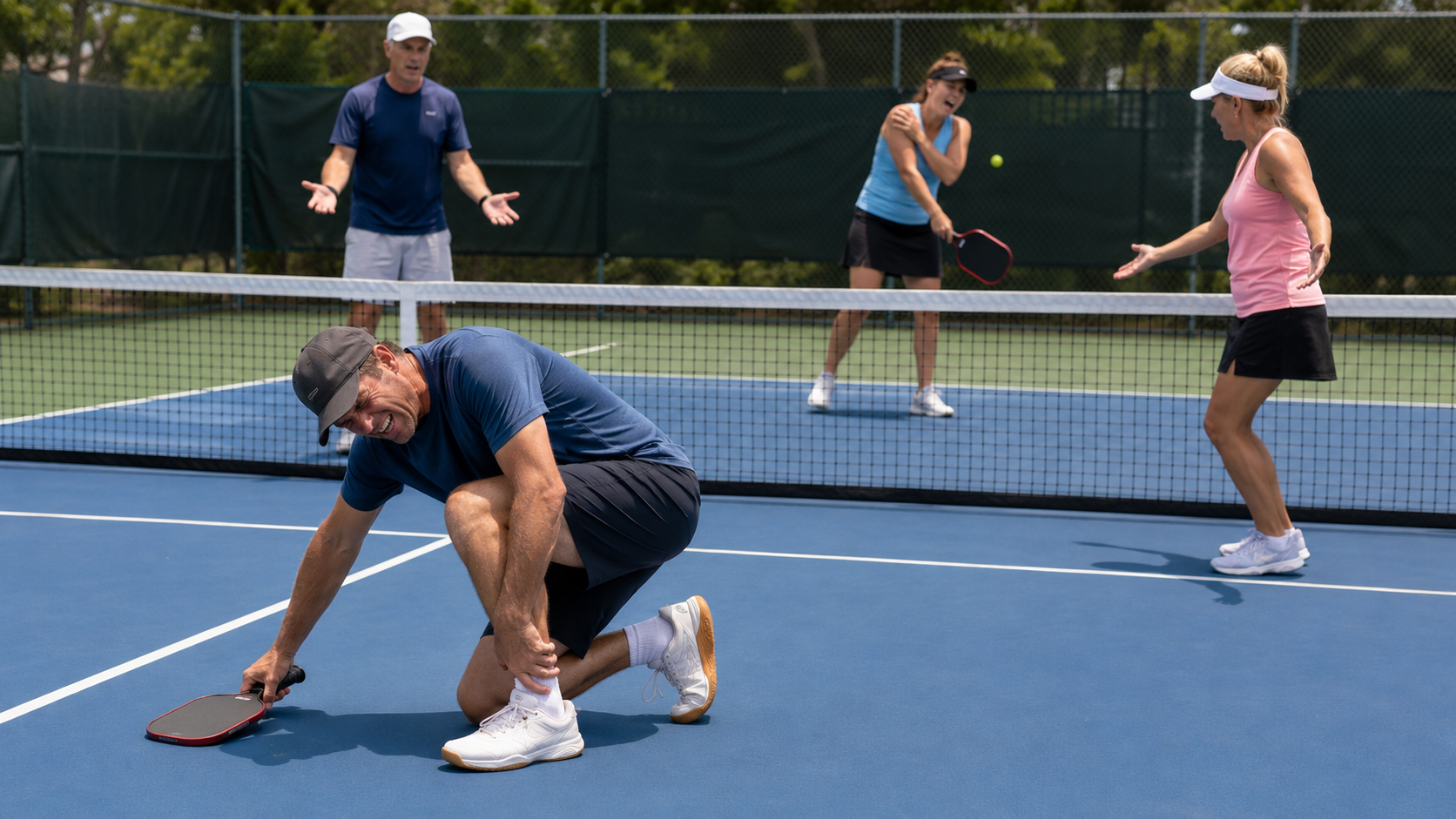
Many pickleball players feel pain or tightness only after symptoms have already developed. The real issue is often found in how the body is moving before the pain starts.
A player may feel knee pain, shoulder strain, hip tightness, or low back discomfort, but the cause may be coming from poor weight shift, limited hip rotation, reduced thoracic mobility, balance deficits, compensation patterns, or inefficient power transfer.
RPL PROAi™ helps identify these movement patterns objectively.
What RPL PROAi™ Measures for Pickleball Players
The assessment helps evaluate:
Mobility
How well the hips, shoulders, spine, ankles, and major joints move.
Rotation
How efficiently the body turns through the hips, pelvis, trunk, shoulders, and upper body.
Balance & Stability
How well the player controls their body during quick stops, reaches, lunges, and changes of direction.
Weight Shift
How the body loads from left to right and front to back during movement.
Movement Efficiency
How smooth, controlled, and coordinated the body is during athletic patterns.
Compensation Patterns
Where the body may be avoiding movement, overusing another area, or creating stress somewhere else.
Power Transfer
How force moves from the ground, through the legs, hips, trunk, shoulder, arm, and paddle.