
Concussions
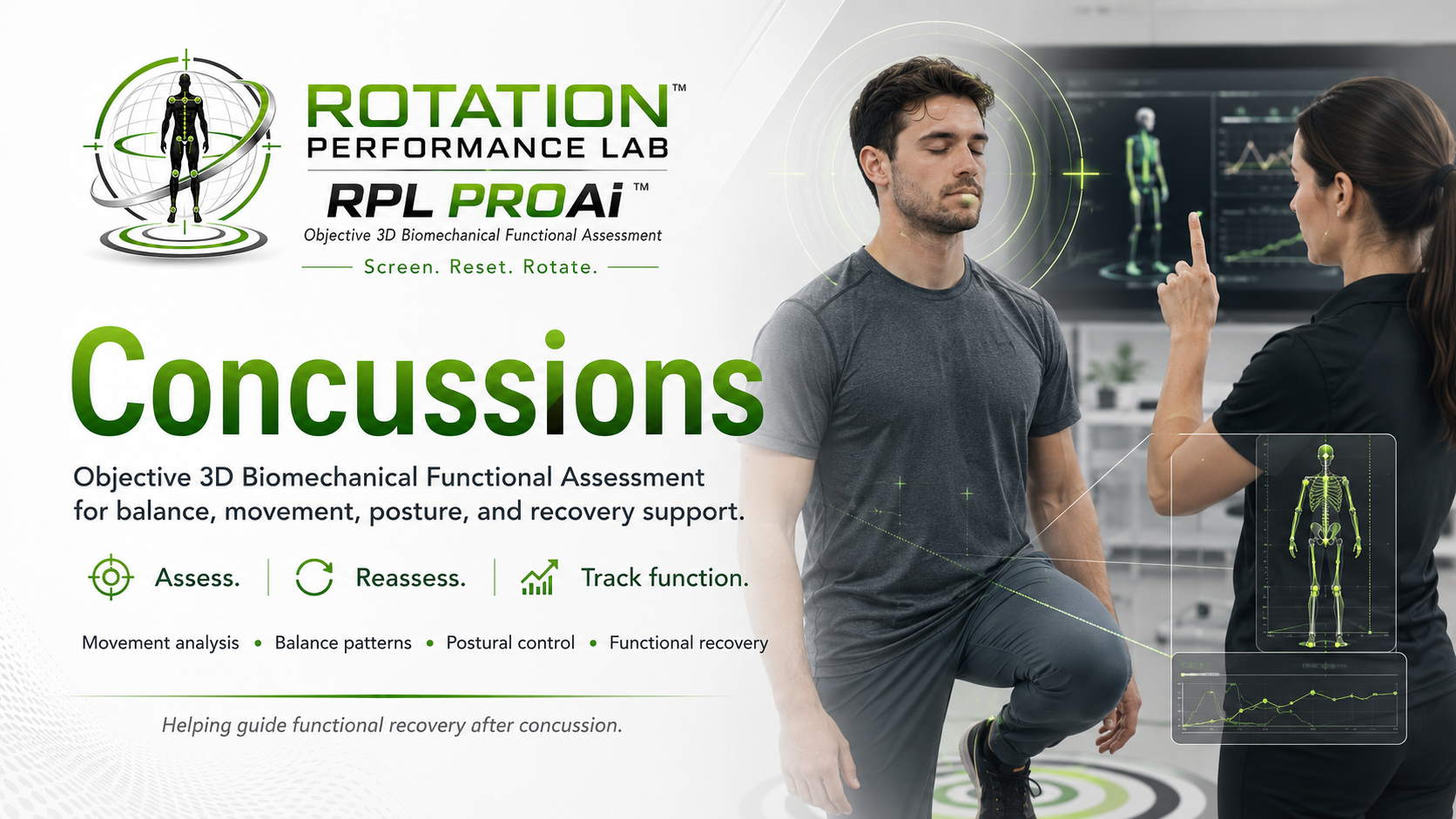
Objective 3D Biomechanical Functional Assessment for Balance, Movement, Posture, and Recovery Support
At Rotation Performance Lab™, concussion recovery is viewed through movement, balance, posture, coordination, and functional control.
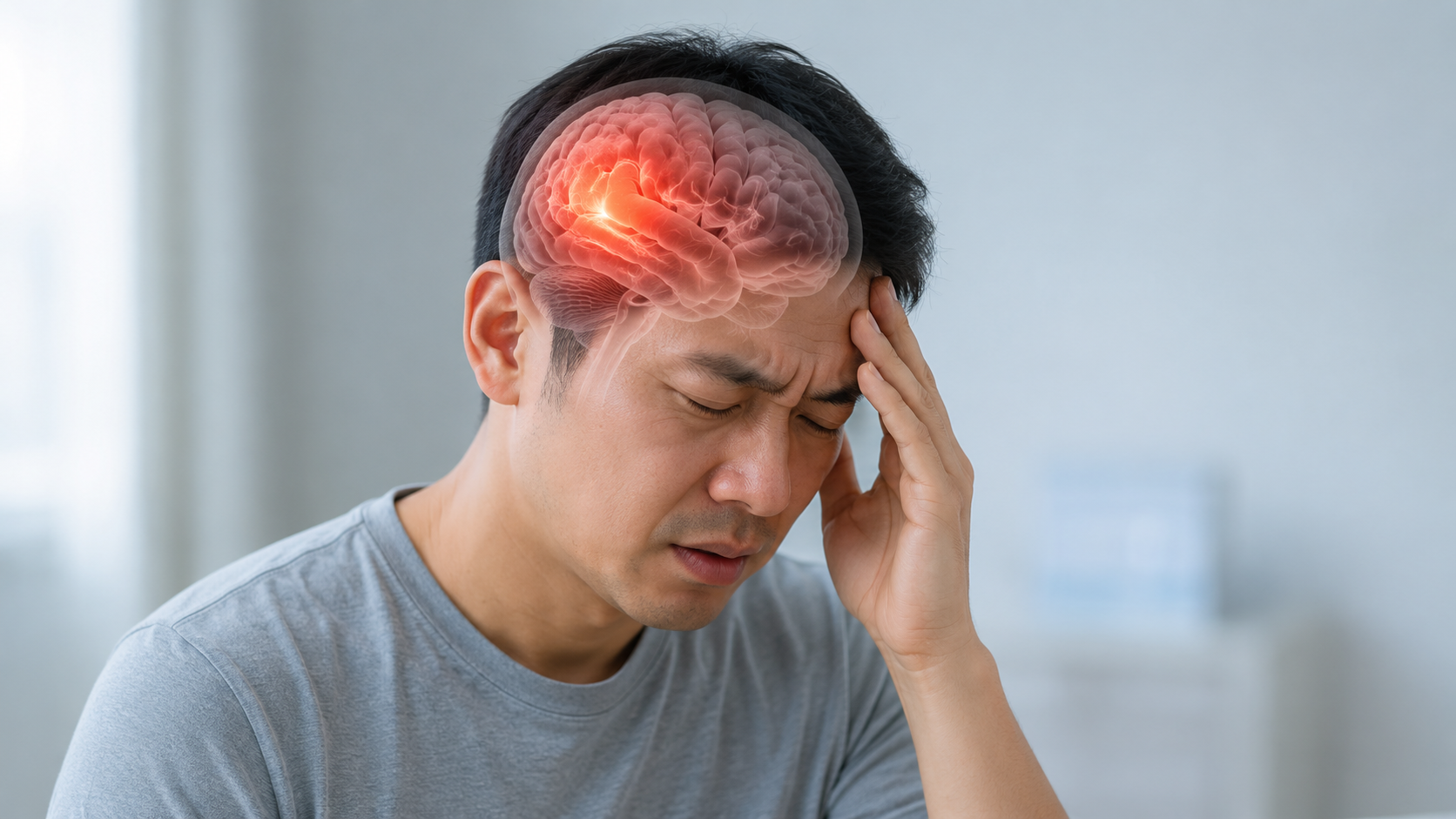
A concussion can affect more than the head. Many individuals experience symptoms such as headache, dizziness, balance problems, fatigue, visual changes, difficulty concentrating, feeling slowed down, or changes in movement confidence. These symptoms are commonly listed in public concussion guidance from the CDC.
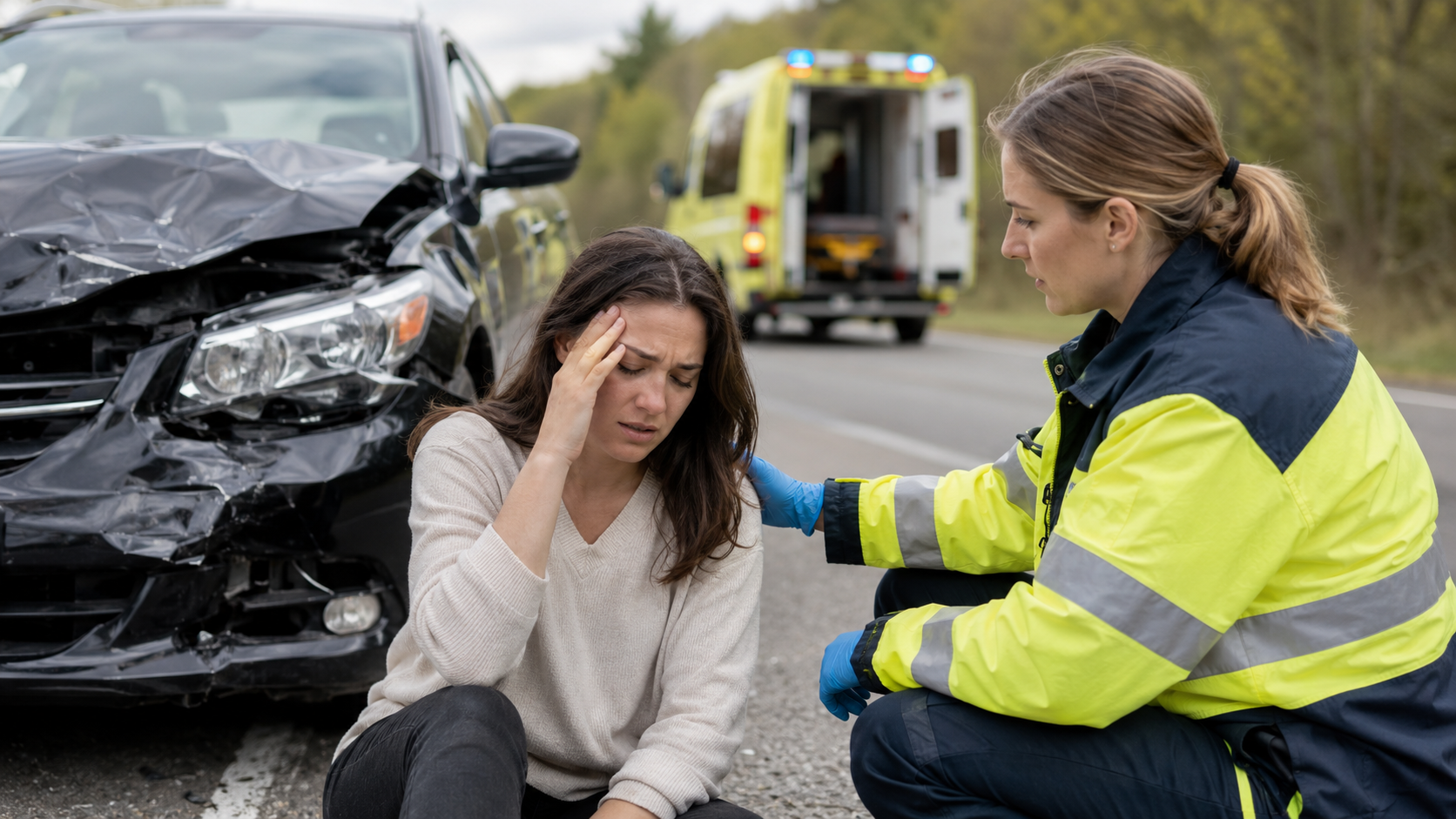
That is why RPL PROAi™ is used to provide an objective 3D biomechanical functional assessment that helps identify how the body is moving after a concussion, motor vehicle accident, sport injury, fall, or other head-impact event.
Assess. Reassess. Track function.
What RPL PROAi™ Can Measure After a Concussion
RPL PROAi™ helps create a clearer functional picture by looking at how the body organizes movement after injury.
The assessment may include:
Balance patterns
Looking at stability, weight shift, postural control, and how the body manages standing, single-leg control, and functional balance demands.
Movement compensation
Identifying whether the body is avoiding rotation, loading unevenly, guarding through the neck, trunk, pelvis, or lower body, or changing movement strategy.
Postural control
Assessing how the head, neck, spine, pelvis, and lower body interact during functional movement.
Range of motion findings
Measuring limitations in neck motion, trunk rotation, shoulder movement, hip motion, and other areas that may influence overall function.
Coordination and movement quality
Looking at how smoothly the body controls movement, transitions, balance, and rotation.
Functional reassessment
Comparing progress over time with measurable data instead of relying only on symptoms or visual observation.
Why Objective Functional Assessment Matters
After a concussion, someone may look “fine” at rest but still struggle with movement, balance, coordination, posture, visual tracking demands, or activity tolerance.
Traditional concussion management is medical and symptom-based. RPL PROAi™ does not diagnose concussion. Instead, it adds a functional movement layer by measuring what the body is doing during movement.
This helps answer important questions:
Can the person balance safely?
Are they shifting weight evenly?
Is the neck or trunk guarding?
Are they avoiding rotation?
Is movement improving from one assessment to the next?
Can functional changes be documented objectively?
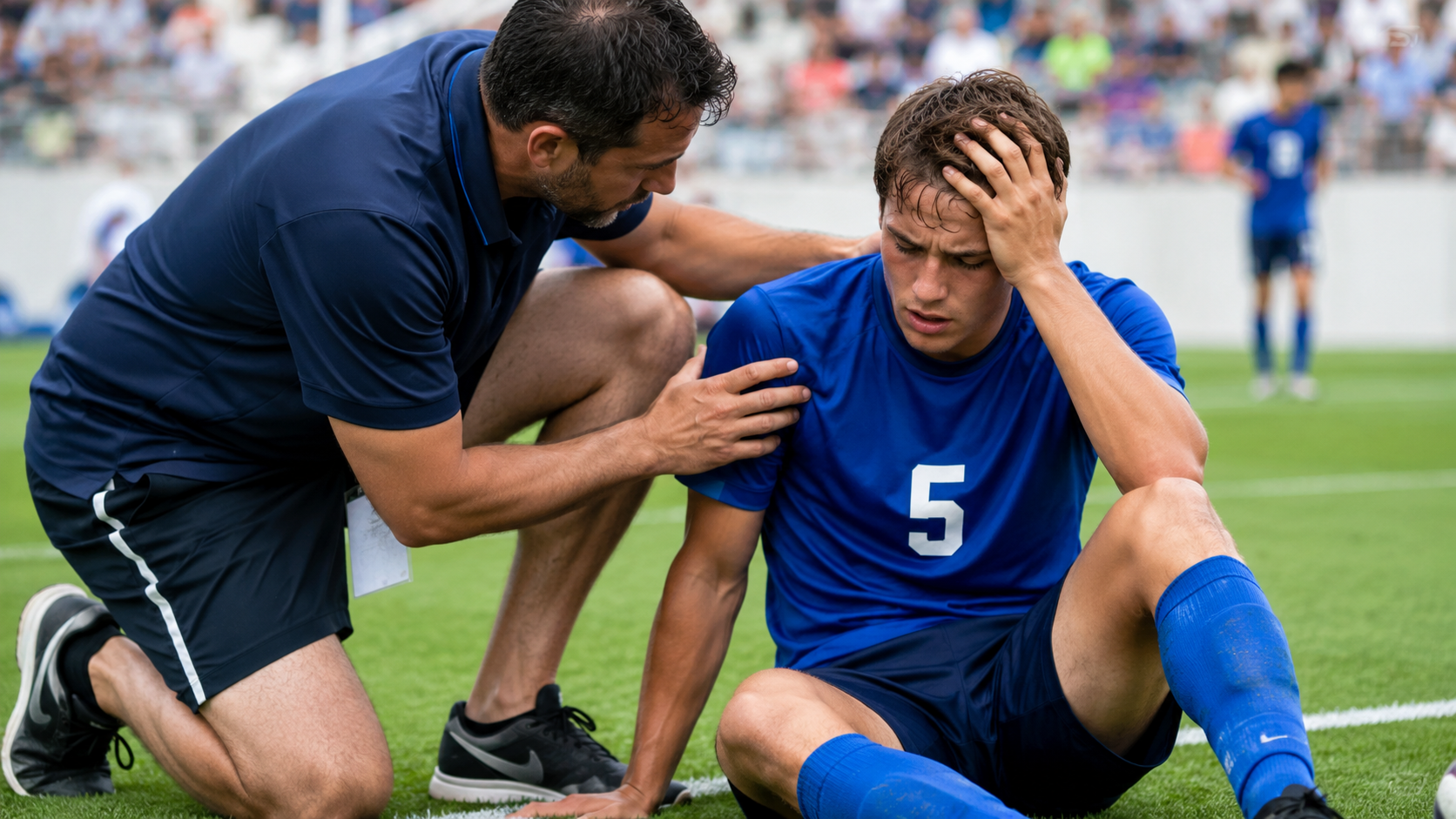
For athletes, return-to-sport decisions should follow medical guidance and a stepwise process under healthcare-provider supervision. RPL PROAi™ supports that process by helping document functional movement changes over time.